By Brand
-33% Hot
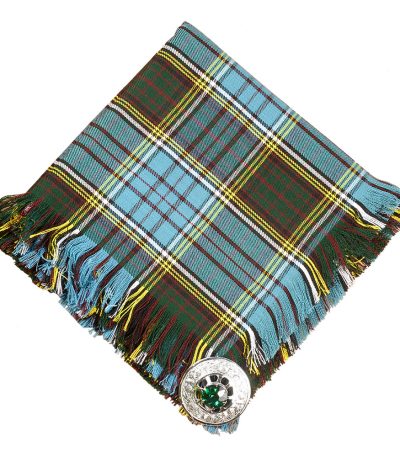
Anderson Tartan Fly Plaid | Traditional Scottish Accessory
Original price was: $ 45.$ 30Current price is: $ 30.- Authentic Anderson Tartan Fly Plaid
- Traditional Scottish formal accessory
- Made from quality Anderson tartan
- Elegant drape for formal Highland wear
- Ideal for weddings, ceilidhs and formal events
- Perfect match for Anderson tartan kilts and jackets
- Standard size with custom options available
-44% Hot
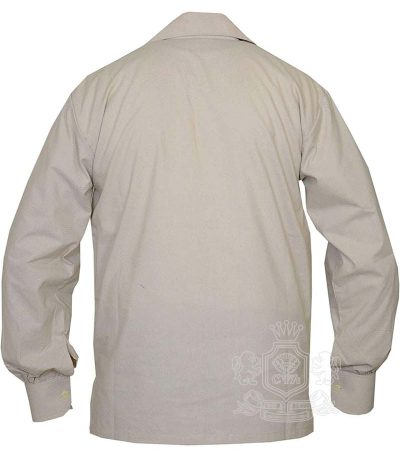
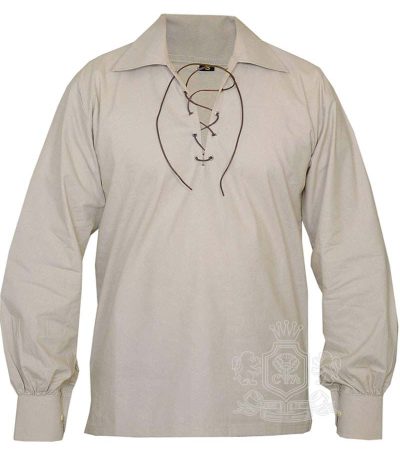
Beige Cotton Jacobite Ghillie Kilt Shirt | Traditional Scottish Shirt
Original price was: $ 45.$ 25Current price is: $ 25.- Classic Beige Jacobite Ghillie Kilt Shirt
- Traditional lace-up (Ghillie) front
- Designed to be worn with kilts
- Clean white colour for versatile styling
- Comfortable and durable fabric
- Ideal for weddings, ceilidhs and formal events
- Available in standard sizes
Select options
This product has multiple variants. The options may be chosen on the product page
-36%
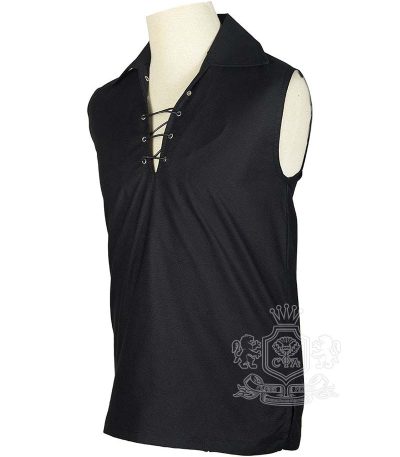
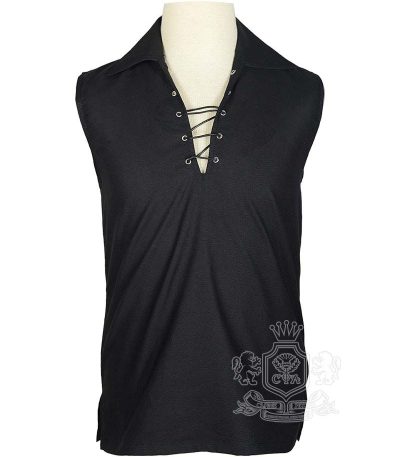
Black Cotton Ghillie Sleeveless Shirt | Traditional Shirt
Original price was: $ 55.$ 35Current price is: $ 35.- Sleeveless Black Cotton Ghillie Shirt
- Traditional lace-up (Ghillie) front
- Lightweight and breathable cotton
- Ideal for warmer weather and active wear
- Comfortable sleeveless design
- Perfect for kilts, Highland games and events
- Available in standard sizes
Select options
This product has multiple variants. The options may be chosen on the product page
-44% Hot
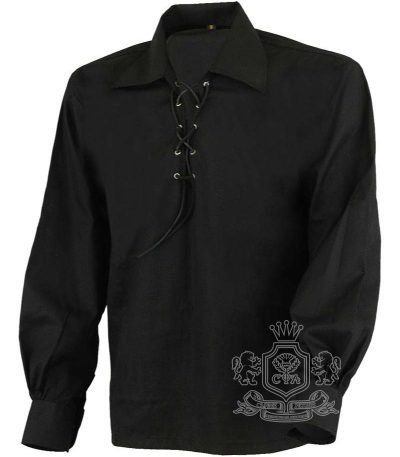
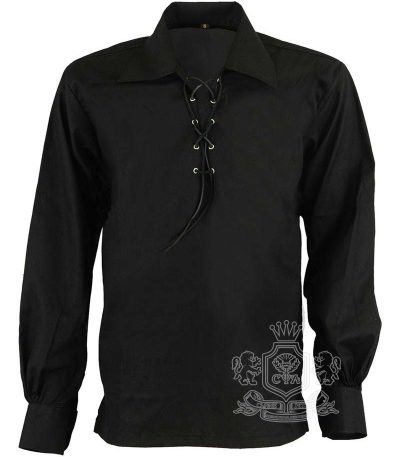
Black Cotton Jacobite Ghillie Kilt Shirt | Traditional Scottish Shirt
Original price was: $ 45.$ 25Current price is: $ 25.- Classic Black Jacobite Ghillie Kilt Shirt
- Traditional lace-up (Ghillie) front
- Designed to be worn with kilts
- Clean white colour for versatile styling
- Comfortable and durable fabric
- Ideal for weddings, ceilidhs and formal events
- Available in standard sizes
Select options
This product has multiple variants. The options may be chosen on the product page

-36%

Brown Cotton Ghillie Sleeveless Shirt | Traditional Shirt
Original price was: $ 55.$ 35Current price is: $ 35.- Sleeveless Brown Cotton Ghillie Shirt
- Traditional lace-up (Ghillie) front
- Lightweight and breathable cotton
- Ideal for warmer weather and active wear
- Comfortable sleeveless design
- Perfect for kilts, Highland games and events
- Available in standard sizes
Select options
This product has multiple variants. The options may be chosen on the product page
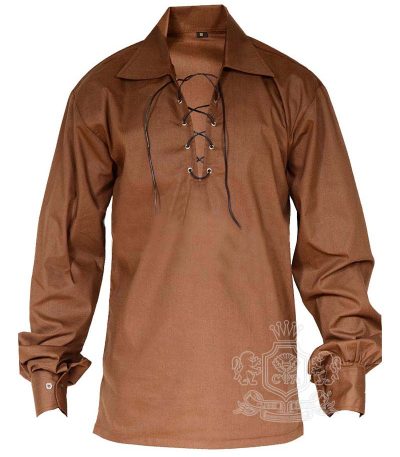
-44% Hot
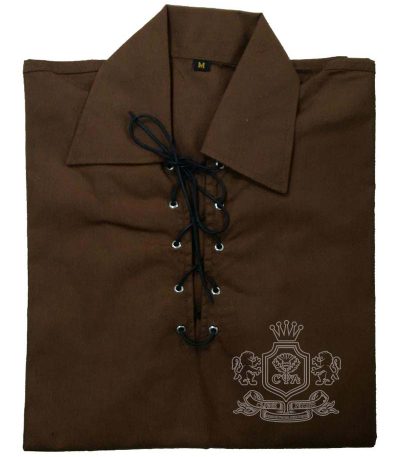
Brown Cotton Jacobite Ghillie Kilt Shirt | Traditional Scottish Shirt
Original price was: $ 45.$ 25Current price is: $ 25.- Classic Brown Jacobite Ghillie Kilt Shirt
- Traditional lace-up (Ghillie) front
- Designed to be worn with kilts
- Clean white colour for versatile styling
- Comfortable and durable fabric
- Ideal for weddings, ceilidhs and formal events
- Available in standard sizes
Select options
This product has multiple variants. The options may be chosen on the product page
-33%
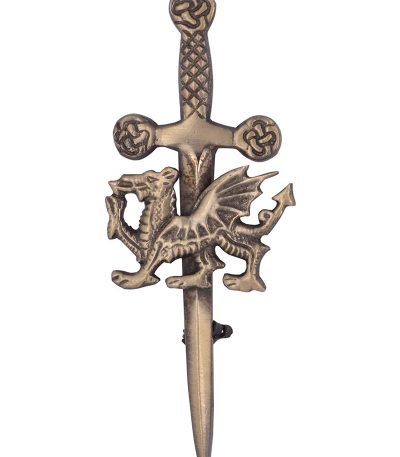
Dragon Kilt Pin | Traditional Scottish Kilt Accessory
Original price was: $ 30.$ 20Current price is: $ 20.- Bold Dragon Kilt Pin
- Traditional Scottish kilt accessory
- Detailed dragon design
- Durable metal construction
- Secures the outer apron of the kilt
- Ideal for formal and casual Highland wear
- A distinctive finishing touch for any kilt

-36%
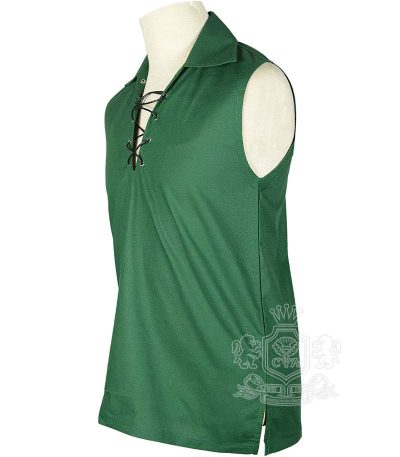
Green Cotton Ghillie Sleeveless Shirt | Traditional Shirt
Original price was: $ 55.$ 35Current price is: $ 35.- Sleeveless Green Cotton Ghillie Shirt
- Traditional lace-up (Ghillie) front
- Lightweight and breathable cotton
- Ideal for warmer weather and active wear
- Comfortable sleeveless design
- Perfect for kilts, Highland games and events
- Available in standard sizes
Select options
This product has multiple variants. The options may be chosen on the product page
-44% Hot
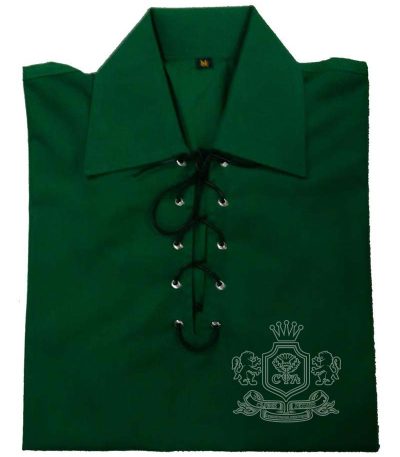
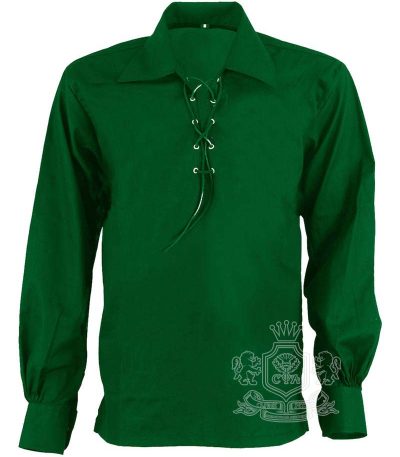
Green Cotton Jacobite Ghillie Kilt Shirt | Traditional Scottish Shirt
Original price was: $ 45.$ 25Current price is: $ 25.- Classic Green Jacobite Ghillie Kilt Shirt
- Traditional lace-up (Ghillie) front
- Designed to be worn with kilts
- Clean Green colour for versatile styling
- Comfortable and durable fabric
- Ideal for weddings, ceilidhs and formal events
- Available in standard sizes
Select options
This product has multiple variants. The options may be chosen on the product page
-44% Hot
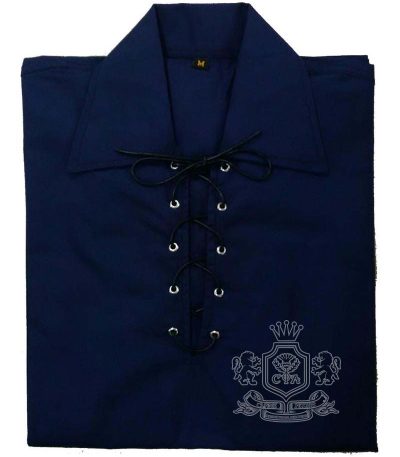
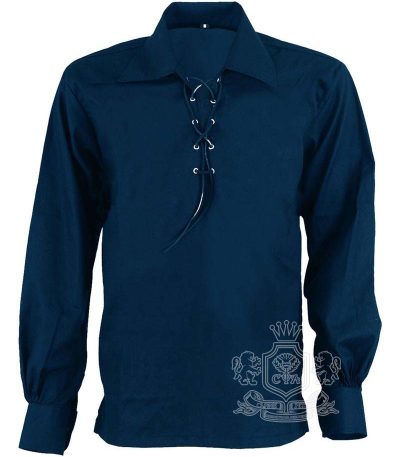
Navy Blue Cotton Jacobite Ghillie Kilt Shirt | Traditional Shirt
Original price was: $ 45.$ 25Current price is: $ 25.- Classic Navy Blue Jacobite Ghillie Kilt Shirt
- Traditional lace-up (Ghillie) front
- Designed to be worn with kilts
- Clean Navy Blue colour for versatile styling
- Comfortable and durable fabric
- Ideal for weddings, ceilidhs and formal events
- Available in standard sizes
Select options
This product has multiple variants. The options may be chosen on the product page
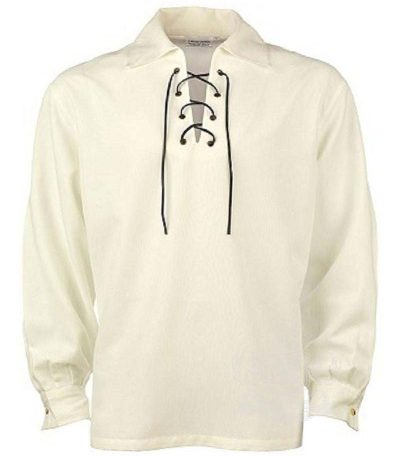
-44% Hot
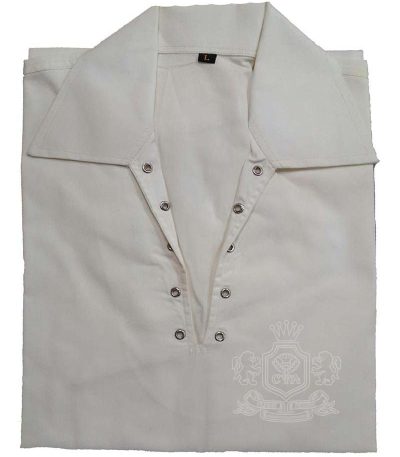
Off White Cotton Jacobite Ghillie Kilt Shirt | Traditional Shirt
Original price was: $ 45.$ 25Current price is: $ 25.- Classic Off White Jacobite Ghillie Kilt Shirt
- Traditional lace-up (Ghillie) front
- Designed to be worn with kilts
- Clean Off White colour for versatile styling
- Comfortable and durable fabric
- Ideal for weddings, ceilidhs and formal events
- Available in standard sizes
Select options
This product has multiple variants. The options may be chosen on the product page
-36%

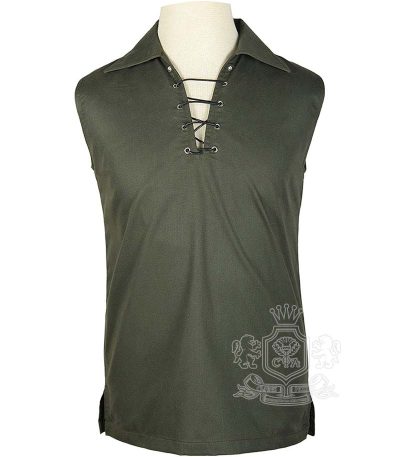
Olive Green Cotton Ghillie Sleeveless Shirt | Traditional Shirt
Original price was: $ 55.$ 35Current price is: $ 35.- Sleeveless Olive Green Cotton Ghillie Shirt
- Traditional lace-up (Ghillie) front
- Lightweight and breathable cotton
- Ideal for warmer weather and active wear
- Comfortable sleeveless design
- Perfect for kilts, Highland games and events
- Available in standard sizes
Select options
This product has multiple variants. The options may be chosen on the product page